Creating a Pollinator Paradise in Your Garden
Imagine your garden alive with the gentle flutter of butterfly wings. Hear the busy hum of bees. Witness the vibrant dance of hummingbirds. These aren’t just charming visitors; they’re the unsung heroes of our ecosystem – pollinators. From the fruits we eat to the beautiful flowers we admire, pollinators play a vital role in plant reproduction and the health of our planet.
Sadly, pollinator populations are facing significant challenges due to habitat loss, pesticide use, and climate change. But the good news is, you can make a difference, right in your own backyard! Creating a pollinator-friendly garden is not only a rewarding experience but also a great way to take the right step in supporting these essential creatures.
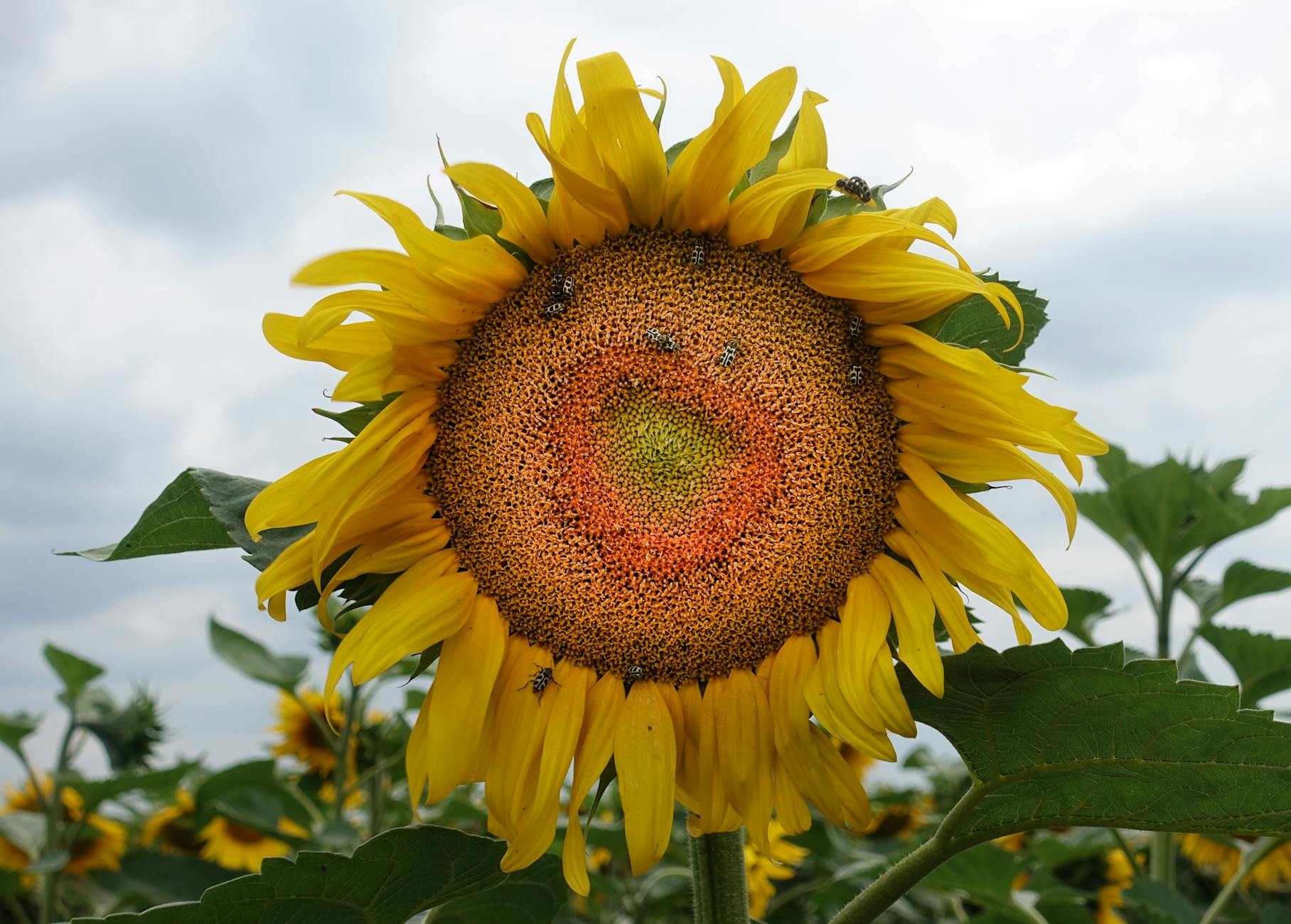
Turning your garden into a pollinator magnet is easier than you think! A great way to start is by looking into native plants. They’re typically adapted to your local climate and soil conditions and are attractive and beneficial food sources for native pollinators. If you haven’t already, try going to your local nursery and choosing a variety of flower seeds. Different pollinators are attracted to different flower types. Include a mix of flat, tubular, bell-shaped, and clustered flowers. Use a range of colors like purple, blue, yellow, white, and red. I like to use a nice mix of perennials because they always comeback year after year. They provide a consistent food source without the need for annual replanting. Start from early spring to late fall. Your flower garden will look so beautiful!
If you didn’t know this, here’s a fun fact – pollinators need water too! Bees, like all living things, need water for hydration and overall health. Bees can find water in puddles, creeks, bird baths, and even swimming pools. Still, it’s important to offer safe and accessible water sources. If you’re providing a space for pollinators to drink their water from, make sure it’s a clean and safe area. Always research the pollinators you have in your area and what specific needs you’d like to cater to. Butterflies need water too, but they typically source their water through damp soil, animal sweat, and, get this, feces! Who would’ve thought?
Pollinators appreciate shelter, so here are a few things to consider: leaving leaf litter in the fall (I prefer to pile it), providing unused bush piles, or installing a bee house to offer nesting! If you have unwanted pests, try to avoid pesticides. Even organic pesticides can harm pollinators. Opt for natural pest control methods like attracting beneficial insects, hand-picking pests, and promoting healthy soil.

Get Started and Make a Difference!
Creating a pollinator garden is a rewarding way to connect with nature and contribute to a healthier environment. Even a small patch of pollinator-friendly plants on a balcony or in a window box can make a difference. So, get inspired, do some research on native plants for your area, and start planting your own buzzworthy blooms! Your garden – and the pollinators – will thank you for it.
What are your favorite pollinator-attracting plants? Share your experiences and tips in the comments below!
For more content, be sure to follow my Instagram: @HappyPlantHaven.

 Happy Plant Haven
Leave a comment